

Why Breakfast Bars Are Game-Changers for Apartment Living
Apartments with breakfast bar features are changing how people live in compact urban spaces. A breakfast bar is a raised counter extension, typically attached to a kitchen peninsula or island, designed for casual dining and extra workspace—perfect for apartment dwellers who want functionality without sacrificing style.
Quick Answer: What Makes Apartments with Breakfast Bars So Popular?
- Space-efficient: Serves as a built-in dining area, freeing up floor space
- Multi-functional: Serves as a dining spot, workspace, and social hub
- Modern appeal: Creates an open-concept feel and improves kitchen flow
- Added counter space: Even just 10 inches of overhang can transform functionality
- Property value: Desirable amenity that appeals to today's renters
Many people have found themselves eating meals on the sofa because a kitchen layout felt awkward. One resident described how adding just ten inches of counter overhang completely changed the function of the kitchen and the functionality of the entire condo. That's the power of a well-designed breakfast bar.
The benefits extend beyond just having a place to eat. Breakfast bars create a natural line of separation between the kitchen and living area without closing off the space. They're ideal for quick morning coffee, working from home, or entertaining friends while cooking. In studio and one-bedroom apartments especially, this single feature can make a space feel more intentional and less cramped.
Modern apartment communities are catching on. Properties now routinely feature "built-in kitchen islands with breakfast bar seating" and "open-concept floorplans to maximize space" as standard amenities. These aren't just marketing buzzwords—they reflect a genuine shift in apartment design.
Whether hunting for a next apartment or looking for inspiration to style an existing breakfast bar, understanding the design possibilities can help make the most of this versatile feature.
What is a Breakfast Bar and Why is it Perfect for Apartments?
Think of a breakfast bar as a kitchen's friendly extension—a raised section of countertop that juts out from a wall, peninsula, or island, creating an instant spot for casual meals, morning coffee, or catching up on emails. For apartment living, especially in compact urban spaces, this feature solves a problem many renters face: where to sit down to eat without dedicating an entire room to a dining table?
Apartments with breakfast bar layouts accept open-concept design, which is what makes smaller spaces feel breathable rather than cramped. Instead of boxing off every function into its own tiny room, a breakfast bar becomes multi-purpose furniture that works overtime. It can take the place of a traditional dining table, freeing up square footage that might otherwise feel wasted or awkward. The impact can be surprisingly transformative—one resident shared that after installing their breakfast bar, they "haven't eaten a single meal on the sofa since." That simple addition changed their entire relationship with their living space.
The beauty of a breakfast bar lies in its versatility. It's not just about having somewhere to sit—it's about creating a natural gathering spot that doesn't interrupt the flow of an apartment. Whether working from home, hosting friends, or just enjoying a morning routine, that extra stretch of counter becomes a much-used spot in the home.
Breakfast Bar vs. Kitchen Island: Key Differences
While people sometimes use these terms interchangeably, breakfast bars and kitchen islands actually play different roles in apartment design. Understanding what sets them apart helps clarify why apartments with breakfast bar features offer such specific benefits.
| Feature | Kitchen Island | Breakfast Bar |
|---|---|---|
| Size & Footprint | Generally larger, often central to the kitchen | Can be a smaller extension, less intrusive |
| Height | Typically counter-height (36 inches) | Often bar-height (42 inches) or counter-height |
| Attachment | Freestanding unit | Can be attached to a wall, peninsula, or island |
| Primary Function | Food prep, storage, sometimes includes appliances | Casual dining, extra seating, workspace |
| Storage | Frequently includes cabinets, drawers, or shelves | Less common to have built-in storage |
| Seating | Can have seating integrated, usually counter-height | Designed specifically for seating |
A kitchen island typically functions as a central workstation—think food prep, storage cabinets, maybe even a cooktop or sink built right in. It's a freestanding piece that dominates the kitchen footprint. A breakfast bar, by contrast, keeps things simpler and more focused. It might be a modest extension from the wall forming a peninsula design, or it could be a raised section along one side of an island. Either way, its main job is creating comfortable seating without demanding the floor space a full island requires.
That difference matters tremendously in apartment living, where every square foot counts. A breakfast bar provides coveted counter seating and dining space without the bulk, making it a more apartment-friendly option for most floor plans.
The Top Benefits for Apartment Dwellers
For anyone navigating apartment living, a breakfast bar isn't just a nice-to-have feature—it's a smart design solution that addresses real daily challenges. Here's why this simple addition makes such a meaningful difference:
Maximizing small spaces is a primary benefit. A breakfast bar provides a dedicated eating area without consuming the floor space that traditional dining furniture demands. In studio or one-bedroom layouts, this can be the difference between feeling cramped and feeling comfortable.
Creating functional zones in open-concept apartments helps define the space without building walls. A breakfast bar acts as a natural divider between the kitchen and living area, giving each zone its own identity while maintaining that airy, connected feel. The counter itself becomes a gentle boundary that improves both traffic flow and the overall sense of organization.
Social hub for entertaining might sound fancy, but it's really about the practical magic that happens when guests can sit at the breakfast bar while the host is cooking. Instead of the host being stuck in the kitchen alone or having everyone awkwardly crowded around, the breakfast bar creates a natural gathering spot. Conversation flows easily, and meal prep becomes part of the social experience rather than a separation from it.
Casual dining area meets a simple but important need—having a proper place to sit down for meals. It encourages taking a moment to actually enjoy breakfast instead of eating standing up or balanced on the couch. For quick lunches, late-night snacks, or weekday dinners, that raised counter becomes a go-to spot.
Extra workspace extends the breakfast bar's usefulness well beyond mealtimes. With more people working remotely, that ten-inch overhang for comfort becomes valuable real estate for laptops, paperwork, or creative projects. It's high enough to feel distinct from the kitchen work zone, making it easy to mentally shift between cooking and other activities.
The functionality boost from just a modest counter extension really can't be overstated. One resident noted that a ten-inch overhang completely changed the function of their kitchen and the functionality of their entire condo. When one simple feature ripples through the whole living experience like that, it's clear why breakfast bars have become such a sought-after amenity in modern apartment communities.
Designing Functional and Stylish Apartments with Breakfast Bar
Creating a beautiful and practical breakfast bar in an apartment takes more than just adding counter space—it requires thinking through how the entire kitchen flows and functions. The best apartments with breakfast bar features don't just look good; they make daily life genuinely easier and more enjoyable.
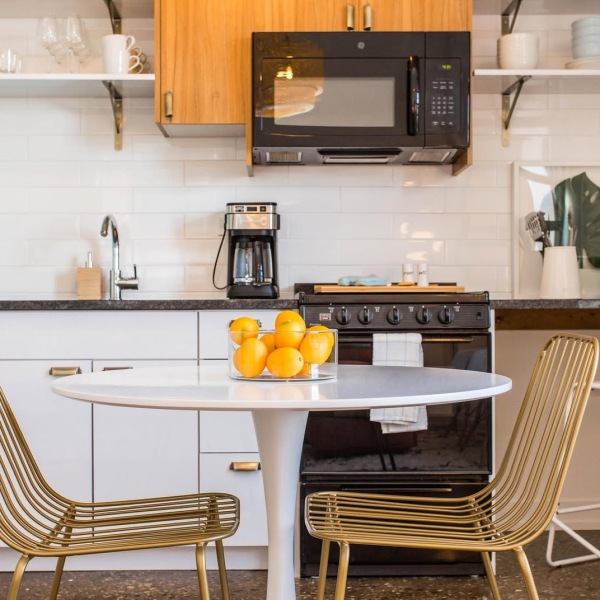
When done right, a breakfast bar becomes the heart of an apartment. It's where morning coffee is sipped, where friends gather while dinner is being cooked, and where an afternoon might be spent working on a laptop. Modern properties understand this connection. Many now showcase kitchens designed with breakfast bars as central features, complete with thoughtful touches like built-in microwaves and carefully planned lighting. The goal isn't just to create a place to eat—it's to design a space that feels vibrant and alive.

Key Design Considerations for apartments with breakfast bar
Getting the details right makes all the difference when it comes to breakfast bar design. These elements determine whether a breakfast bar becomes a beloved feature or an awkward afterthought.
Countertop overhang is perhaps the most critical measurement. Plan for at least 10-12 inches extending beyond the base cabinets. This creates the knee space needed for comfortable seating. As one resident found, ten inches of countertop was all that was needed to totally overhaul the functionality of the space. That modest overhang transformed how they used their entire apartment.
Seating clearance goes hand-in-hand with overhang. Each person needs roughly 24 inches of width at the bar to sit comfortably without bumping elbows. It's important to think about how many people will typically be seated and plan accordingly.
Traffic flow deserves careful attention in apartment kitchens where space is precious. The breakfast bar should create zones without blocking pathways. Guests should be able to move freely between the kitchen and living area without navigating an obstacle course of pulled-out stools.
Electrical outlets might seem like a small detail, but they're game-changers for functionality. Discreetly placed outlets transform a breakfast bar into a genuine workspace for charging a phone, plugging in a laptop, or even using small appliances.
Integration with the living area matters in open-concept layouts. The breakfast bar acts as a bridge between spaces, so its design should complement what's happening in the adjacent room. Materials, colors, and style should flow naturally from kitchen to living area.
A U-shape breakfast bar design offers something special for apartments with the right layout. This configuration wraps around to create more counter space and a more intimate, enclosed seating area. It clearly defines where the kitchen ends and the living space begins, all without building walls.
Popular Countertop Materials
The surface material chosen for a breakfast bar affects everything from daily maintenance to long-term durability. Each option brings its own character and practical considerations.
Quartz countertops have become incredibly popular in modern apartments for good reason. This engineered stone resists stains and scratches beautifully while requiring almost no maintenance. It doesn't need sealing, and spills wipe away easily. The range of colors and patterns is impressive—many options look remarkably like natural stone. Properties often highlight quartz as a premium feature because it combines elegance with practicality.
Granite brings the authentic beauty of natural stone, with each slab offering unique patterns and colors. It handles heat well and lasts for years, though it does need periodic sealing to prevent stains from soaking in.
Wood or butcher block creates warmth and a welcoming feel that other materials can't quite match. It's wonderful for food prep, though it needs regular oiling and protection from water to maintain its beauty.
Stainless steel delivers that professional kitchen aesthetic—sleek, hygienic, and extremely durable. The trade-off is that fingerprints and scratches show more easily than on other surfaces.
For apartment living, materials like quartz are a popular choice. They balance style with the resilience needed for daily use, and they don't demand the intensive maintenance that some natural materials require.
Seating and Styling Your Apartment Breakfast Bar
Getting the seating and styling right can transform a breakfast bar from a simple ledge into the heart of an apartment. It's where function meets personality—a place that's both practical for everyday life and beautiful.

Choosing the Right Seating for apartments with breakfast bar
Picking the right stools for an apartments with breakfast bar setup is crucial. They need to look good and feel comfortable, but they also can't take up too much space. In apartment living, every inch matters.
Backless stools are the minimalists of the seating world. They tuck completely under the bar when not in use, disappearing from view and keeping the kitchen feeling open. For a tight layout or a high-traffic area, these are an excellent choice.
Low-back stools offer a sweet spot between comfort and space efficiency. They provide something to lean against during a long Sunday brunch without creating a visual barrier that chops up an open-concept space. Swivel bar stools add an element of fun and functionality—it's easy to turn to chat with someone in the living room while sipping morning coffee, making the breakfast bar feel like the social hub it's meant to be.
For maximum flexibility, adjustable height chairs can adapt to different users or even accommodate changes if the space is modified later. Saddle stools might look unconventional, but they're surprisingly comfortable and take up minimal visual space, which is perfect for smaller kitchens.
When deciding between upholstered and non-upholstered options, it's helpful to think about lifestyle. Upholstered seats feel cozier and can introduce a splash of color or texture that ties the kitchen into the rest of the apartment. Non-upholstered stools, on the other hand, are champions of easy maintenance—a quick wipe-down and they're good as new, which can be a lifesaver in a busy apartment.
Styling Tips for a Picture-Perfect Finish
Once the seating is nailed down, it's time to add those finishing touches that make a breakfast bar feel intentional and inviting—not like an afterthought or a catch-all for junk mail.
Pendant lighting is one of the simplest ways to define a breakfast bar as its own distinct zone. One or two sleek fixtures hanging above the counter create ambiance and provide task lighting for everything from chopping vegetables to reading the morning news. Think of them as jewelry for the kitchen.
Under-cabinet lighting might seem like a small detail, but it makes a big difference. It illuminates the work surface and highlights any decorative elements, creating layers of light that make the space feel more polished.
Keep the surface itself thoughtfully curated. A decorative tray can corral everyday items like favorite hot sauces, a sugar bowl, or salt and pepper shakers, keeping things organized without looking cluttered. Small plants or herbs—maybe a basil plant for cooking or a cheerful succulent—bring life and freshness without demanding much counter real estate.
Placemats and runners serve double duty: they protect the countertop while adding texture and color. They also visually designate individual dining spots, which can be especially nice when guests are over. Just avoid anything too busy or oversized that fights for attention.
The secret to styling a breakfast bar is restraint. Skip the large, elaborate centerpieces that look impressive but leave no room for actual plates. Instead, opt for minimalist centerpieces—a small vase with fresh flowers, a sculptural fruit bowl, or even just a single interesting object.
The goal is to create a space that's beautiful enough to inspire residents to actually sit down and enjoy their meals, rather than eating over the sink or on the couch. When a breakfast bar looks this good, people will find themselves lingering over coffee, inviting friends to pull up a stool, and genuinely enjoying this versatile corner of the apartment.
Potential Drawbacks and Property Impact
While apartments with breakfast bar features offer a multitude of benefits, it's also important to consider potential drawbacks and understand how this amenity impacts a property's value and appeal. No design solution is one-size-fits-all, and acknowledging the challenges helps in making informed decisions.
Common Challenges to Consider
Even the most well-designed breakfast bar can present a few challenges:
- Limited Seating Capacity for Guests: While perfect for one or two residents, a breakfast bar might not comfortably seat a larger group for a meal. For entertaining larger parties, alternative seating arrangements or a more flexible dining solution might still be needed.
- Not Ideal for Formal Meals: The casual nature of a breakfast bar means it’s generally not suited for formal dinners or elaborate holiday meals. Those occasions might call for a separate dining table, which could be a challenge in smaller apartments.
- Can Become a Drop-Zone for Mail and Keys: The convenience of a flat surface can sometimes lead to it becoming a catch-all for everyday clutter – mail, keys, bags, and other items. This can quickly detract from its aesthetic appeal and intended function. Maintaining organization is key to keeping it useful and attractive.
How a Breakfast Bar Can Improve a Property
Despite these minor challenges, the inclusion of a breakfast bar overwhelmingly improves a property, particularly in the competitive Chicago rental market.
- Appeals to Modern Renters: Today's renters, especially those seeking apartments in vibrant urban areas, value functionality, modern design, and efficient use of space. A well-designed breakfast bar ticks all these boxes, making an apartment more attractive. Properties that feature "built-in kitchen islands with breakfast bar seating" are often highlighted as desirable.
- Improves Functionality of Floor Plans: As discussed, breakfast bars create distinct zones in open-concept layouts, improve kitchen flow, and provide essential extra counter space. This makes the overall floor plan more versatile and livable.
- Adds Perceived Value: Even if it doesn't dramatically alter the square footage, a breakfast bar makes an apartment feel more intentionally designed and luxurious. This can translate to increased perceived value and desirability, potentially commanding higher interest from prospective residents.
- Showcases an Efficient Use of Space: In apartments where space is at a premium, a breakfast bar demonstrates smart design. It shows that the property owners have thought about how residents will live and interact with their homes, providing practical solutions for everyday needs. This efficiency is a significant selling point in any apartment, from studios to multi-bedroom units.
Conclusion
Breakfast bars have quietly revolutionized apartment living, and it's easy to see why. These versatile features do so much more than provide a place for morning coffee—they've become essential elements in how modern apartments function and feel.
This guide has explored how apartments with breakfast bar designs maximize every square inch of space, create natural boundaries in open layouts, and transform kitchens into genuine gathering spots. Whether it's the ten-inch overhang that changes everything, the choice between quartz and butcher block countertops, or finding the perfect backless stools that tuck away neatly, each detail contributes to making apartment life more comfortable and connected.
The practical benefits speak for themselves. A well-designed breakfast bar can replace bulky dining furniture, offers a dedicated workspace for remote work days, and creates that perfect spot where friends naturally gather while meals are being prepared. Yes, it might not accommodate a formal holiday dinner for twelve, and keeping it clutter-free requires a bit of discipline. But these minor considerations pale compared to the daily improvements it brings.
For property seekers, breakfast bars signal thoughtful design. They show that someone considered how real people live—the quick breakfasts, the laptop sessions, the casual conversations over takeout. This attention to functionality makes apartments feel more livable and intentional, which is exactly what today's renters value.
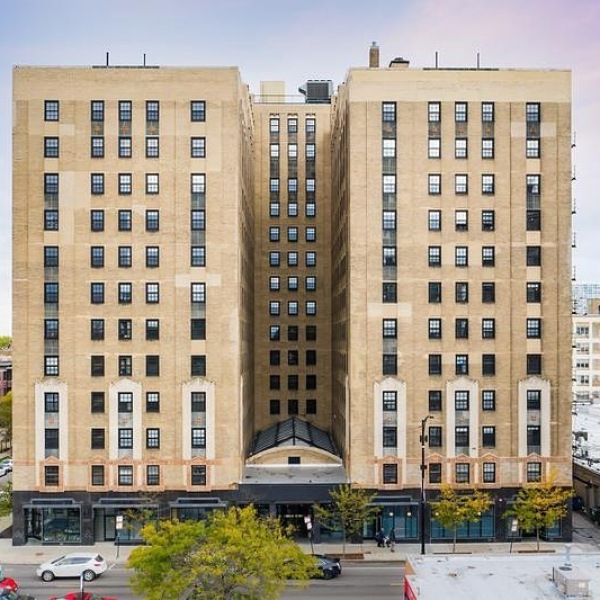
At The Lawrence House, the blend of historic character and contemporary features creates living spaces that truly work for modern life. From restored architectural details to smart kitchen designs, every element is chosen to improve daily living in Uptown Chicago.
Ready to experience apartment living designed around how you actually live? Find your ideal apartment with modern amenities and find what makes The Lawrence House different.