

Why Energy Efficient Homes Chicago Matter More Than Ever
Energy-efficient homes in Chicago are changing how residents experience their living spaces and contribute to a healthier environment. Whether searching for a new apartment or considering upgrades to a current home, understanding what makes a residence truly efficient can lead to more informed decisions.
Choosing the right home in Chicago also means recognizing how building performance affects daily life. From the comfort of a living room during windchill temperatures to how bright summer sun impacts interior rooms, every design decision plays a role. Features like better insulation, smart controls, and high-performance windows influence how consistently a space feels comfortable and how well it responds to Chicago’s shifting seasons.
Quick Guide to Finding Energy-Efficient Homes in Chicago:
- Look for certifications - Seek out properties with third-party verifications like HERS Index scores, ENERGY STAR ratings, LEED certification, or Passive House standards. These certifications provide independent confirmation that a home meets rigorous energy performance benchmarks.
- Check key features - A truly efficient home is a system of integrated components. Look for high-performance windows, advanced insulation (such as R-19 in walls and R-44 in attics), comprehensive air sealing, and smart HVAC systems that work together to optimize comfort and energy use.
- Research neighborhoods - Certain areas like Logan Square, Hyde Park, West Loop, Ravenswood, and South Loop are recognized for their commitment to green infrastructure, which includes sustainable public spaces, better transit options, and a higher concentration of green-certified buildings.
- Explore city programs - Initiatives like Green Homes Chicago, the Retrofit Chicago Residential Partnership, and ComEd assessments are designed to support the development and improvement of energy-efficient properties across the city.
- Understand the performance - High-performance green homes are engineered for superior efficiency, with some designs using up to 90% less energy for heating and cooling compared to traditional construction methods.
Chicago's climate, with its demanding winters and humid summers, requires homes that perform exceptionally to maintain comfort year-round. Heating and cooling systems are often in constant operation. Traditional homes can leak significant amounts of conditioned air through poorly sealed walls, outdated windows, and inadequate insulation. This can result in excessive energy consumption and inconsistent indoor temperatures.
The good news is that the city is at the forefront of a green building movement. Thanks to the 2022 Chicago Energy Change Code, new construction and major renovations are now required to meet standards that deliver approximately 40% better energy efficiency compared to buildings under previous codes. The benefits of this shift extend beyond energy performance, contributing to healthier indoor air quality, quieter interiors, and more durable, resilient structures.
These advancements align with broader urban goals to support walkable, transit-oriented neighborhoods where buildings, streetscapes, and public spaces are designed to work together. Modern multifamily communities, such as those found at restored historic properties, increasingly integrate energy-efficient lighting, shared amenities, and thoughtful layouts that improve everyday living.
Green homes often have strong market appeal due to their improved performance and durability. Meeting modern standards, such as the 2021 International Energy Conservation Code, results in a significant reduction in energy use over the building's lifespan. For renters, choosing an energy-efficient apartment can lead to more predictable energy usage and a smaller environmental footprint.
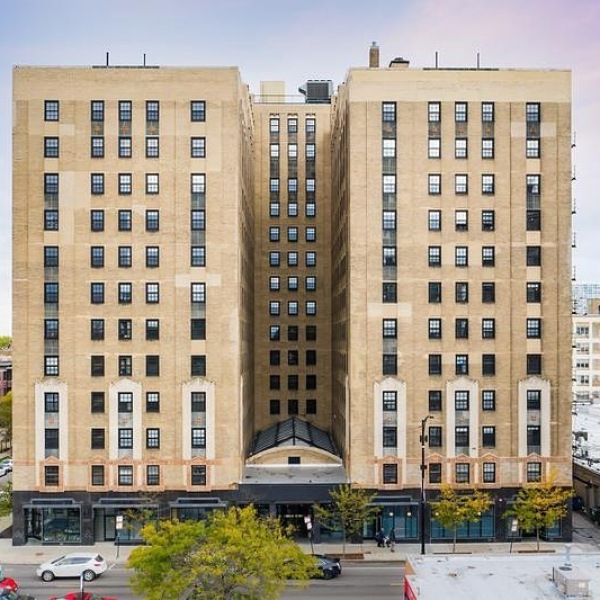
For Chicago residents who appreciate historic architecture, energy-efficient communities that pair restored facades with modern systems offer a compelling blend of character and performance. Properties like The Lawrence House Apartments in Uptown showcase how thoughtfully updated buildings can provide modern comforts, on-site amenities, and efficient building systems within a classic Chicago setting.
The Advantages and Hallmarks of Green Homes
Choosing an energy-efficient home in Chicago is a decision that improves comfort and supports environmental stewardship. The benefits extend far beyond energy consumption, representing a fundamental upgrade to the living experience.
Investing in energy efficient homes Chicago means embracing improved comfort. These homes are designed to be warmer in the winter and cooler in the summer, eliminating drafts and maintaining a consistent indoor temperature. This results in less reliance on constant thermostat adjustments and more time enjoying a stable indoor environment.
Another significant advantage is improved indoor air quality. While traditional homes can trap pollutants, green homes prioritize fresh, filtered air through advanced ventilation systems, creating a healthier indoor environment for occupants.
Environmental responsibility is a core driver of the green building movement. By reducing a home's energy consumption, residents lower their carbon footprint and contribute to Chicago's climate goals, making a tangible difference.
Finally, durable construction is a hallmark of green homes. They are built with higher quality materials and meticulous attention to detail, leading to enhanced durability and a longer lifespan for the property. This provides a more resilient and lasting home.
These qualities are just as important in multifamily communities as they are in single-family homes. Energy-efficient apartment buildings in Chicago can include common-area systems designed for performance, such as high-efficiency boilers or chillers, LED lighting, low-flow water fixtures, and smart building controls that help maintain consistent conditions throughout the property. When combined with thoughtful amenity spaces—like lounges, fitness centers, and rooftop areas—residents benefit from both liftd living experiences and modern building performance.
Key Features of High-Performance Homes
What exactly makes a home "green" or "high-performance"? It comes down to a collection of thoughtfully integrated features that work together as a system to maximize efficiency and comfort.
- Superior Insulation: High-performance homes use superior insulation with high R-ratings, which measure a material's resistance to heat flow. For example, homes with R-19 insulated walls and R-44 insulated attics significantly reduce heat transfer, helping to eliminate drafts and maintain stable indoor temperatures.
- High-Performance Windows: Double- or triple-paned, high-efficiency windows are crucial. They are thermo-regulating and insulating, drastically cutting down on unwanted heat gain in the summer and heat loss in the winter. Since windows can be a major source of energy transfer, this is a key area of improvement.
- Advanced Air Sealing: This practice focuses on making the home's envelope as tight as possible. Sealing gaps and cracks, especially around top and bottom plates, prevents uncontrolled air leakage. The tightness is measured by blower door tests, with some green homes achieving air changes per hour (ACH) around 2.0—about half of the current code requirement in Chicago. This airtightness prevents drafts, protects insulation from moisture, and improves indoor air quality.
- Energy Recovery Ventilators (ERVs): In an airtight home, mechanical ventilation is essential. ERV systems bring in fresh outdoor air while recovering energy from the outgoing stale air. This process ensures excellent indoor air quality without wasting the energy used to heat or cool the interior space.
- Smart Thermostats: These intelligent devices learn occupancy patterns and optimize heating and cooling schedules for maximum efficiency. Often controllable via a remote app, they prevent unnecessary energy use when no one is home, leading to more optimized performance.
- Efficient HVAC Systems: High-efficiency furnaces, air conditioners, and heat pumps (which can both heat and cool) consume less energy to maintain comfortable temperatures. Two-stage gas furnaces, for instance, can operate on different heat settings depending on the external temperature, heating the home more completely and filtering the air more effectively.
Beyond these core components, many contemporary Chicago residences also integrate:
- LED lighting and smart controls: Energy-efficient fixtures paired with occupancy sensors and dimmers reduce wasted electricity in both private and shared spaces.
- Water-saving fixtures: Low-flow faucets, toilets, and showerheads conserve water while supporting comfortable daily routines.
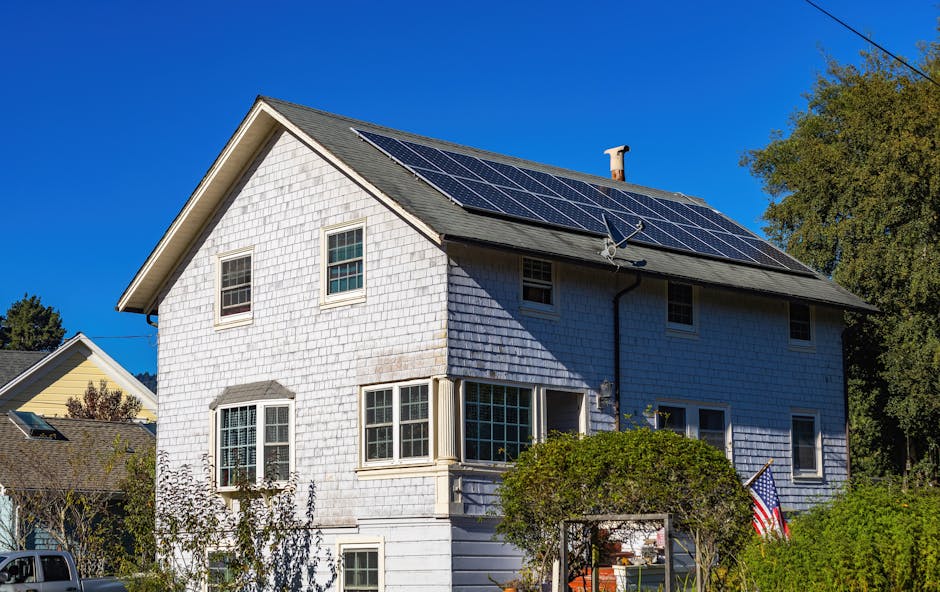
- Solar-ready design: Roofs and electrical systems that are planned with solar in mind make it easier to install photovoltaic panels in the future.
Traditional vs. Green Homes in Chicago
The difference between a traditional home and a green home in Chicago is a fundamental shift in design philosophy and performance. While traditional homes often aim to meet minimum building codes, green homes are designed for optimal efficiency, health, and environmental impact.
Here's a comparison to highlight the distinctions:
| Feature | Traditional Homes | Green Homes |
|---|---|---|
| Design Philosophy | Built to meet minimum code requirements. | Designed as an integrated system for holistic performance. |
| Air Tightness | Prone to uncontrolled air leakage (drafts). | Airtight construction with controlled, filtered ventilation. |
| Ventilation | Relies on random leaks; may have basic exhaust fans. | Balanced ventilation with heat/energy recovery (ERV/HRV). |
| Insulation | Meets minimum R-value code; often has gaps. | Continuous, high-R-value insulation for a complete thermal barrier. |
| Windows | Standard double-pane windows. | High-performance, multi-pane windows with low-E coatings. |
| HVAC System | Standard efficiency, often oversized. | High-efficiency, properly sized systems for optimal performance. |
| Materials | Standard building materials. | Sustainable, non-toxic, and durable materials are prioritized. |
| Performance Verification | Typically no independent testing post-construction. | Third-party testing and certification (e.g., HERS, LEED). |
In Chicago, these differences are especially noticeable during extreme weather events. Traditional homes can experience noticeable temperature swings between rooms, while green homes focus on even comfort from floor to ceiling. Multifamily buildings that accept green principles can also offer improved shared spaces—such as well-insulated lounges, coworking areas, or fitness rooms—that stay comfortable throughout the year while using energy more thoughtfully. This combination of design, technology, and community-focused amenities reflects where urban living is headed across the city.