

Why Finding the Right Pet-Friendly Basement Apartment for Rent Matters
A pet-friendly basement apartment for rent can offer unique advantages for you and your furry companion, but finding the right one requires knowing what to look for. Key considerations include:
Quick Checklist for Pet-Friendly Basement Rentals:
- Pet Policy Clarity - Confirm weight limits, breed restrictions, and number of pets allowed.
- Safety & Legality - Verify egress windows, proper ceiling height, and legal basement status.
- Essential Features - Look for durable flooring, good ventilation, and separate entrances.
- Cost Structure - Understand pet deposits, monthly pet rent, and utility responsibilities.
- Location Benefits - Check proximity to parks, dog-friendly areas, and veterinary services.
- Building Amenities - Seek out pet relief areas, outdoor space, and pet washing stations.
Finding a rental that welcomes both you and your pet can be a challenge in competitive markets. Basement apartments can provide benefits for pet owners, such as ground-level access for quick outdoor trips, cooler temperatures during summer months, and often generous layouts. However, they also come with specific considerations around natural light, ventilation, and moisture control that you'll want to evaluate carefully.
The key is knowing exactly what questions to ask and which features are non-negotiable. Whether searching in Chicago's vibrant neighborhoods or another urban area, having a clear checklist helps you move quickly when you find a great option.
This guide walks you through everything to consider—from understanding lease terms and safety requirements to identifying the amenities that make life better for both you and your pet.

The Pros and Cons of Basement Living with Pets
Finding the right pet-friendly basement apartment for rent means understanding what makes these units special—and what challenges they might present. Basement living offers a distinct experience that can be wonderful for pet owners, but only when you know what to expect.
Advantages for You and Your Pet
Basement apartments have several appealing qualities for pet owners. The cooler temperatures are often a primary benefit. During sweltering summer months, a basement unit naturally stays cooler, which is especially helpful for thick-coated breeds that can struggle with heat.
The sound insulation of basement living can be a major plus. The natural buffer of being below ground helps contain sounds from a barking dog or active cat. It also means your pets won't be as startled by street traffic or neighborhood commotion, which can reduce anxiety for noise-sensitive animals.
Ground-level access is a significant practical advantage. Many basement apartments feature doors that open directly to a patio or yard, eliminating the need to steer stairs for emergency bathroom breaks. This is valuable for older pets with joint issues or puppies in training.
A private entrance means fewer encounters in shared hallways. If your dog is still working on socialization or gets nervous around strangers, this privacy makes daily life easier. You can come and go without navigating crowded common areas.
Many basement apartments also offer spacious layouts. That extra square footage gives your pet more room to stretch out and play, creating a more comfortable living area for everyone.
Potential Drawbacks to Consider
Natural light is a common trade-off. Depending on the apartment's design, you might have smaller or fewer windows. While some pets don't mind, limited sunshine can impact others. Well-designed basement units often feature large egress windows that bring in substantial daylight. When touring, pay attention to how bright the space feels.
Humidity levels require attention. Basements can be prone to dampness, and high moisture can lead to mold and mildew, affecting respiratory health for both you and your pets. Look for apartments with good waterproofing and proper drainage. A musty smell during a showing is a red flag.
Air circulation is connected to humidity. Without proper ventilation, basement air can feel stale. Good airflow keeps the environment fresh and healthy. Inquire about the HVAC system and whether windows open for cross-ventilation.
While basements block outside noise, noise from above can be noticeable. Footsteps or furniture moving upstairs can transmit through the ceiling. If your pet is sensitive to these sounds, this could create stress. Try to visit the apartment at different times to get a sense of the noise levels.
Pest awareness is important at ground level. While well-maintained buildings shouldn't have issues, basement units can be more vulnerable to insects or rodents. It is worth discussing pest control measures with the property manager.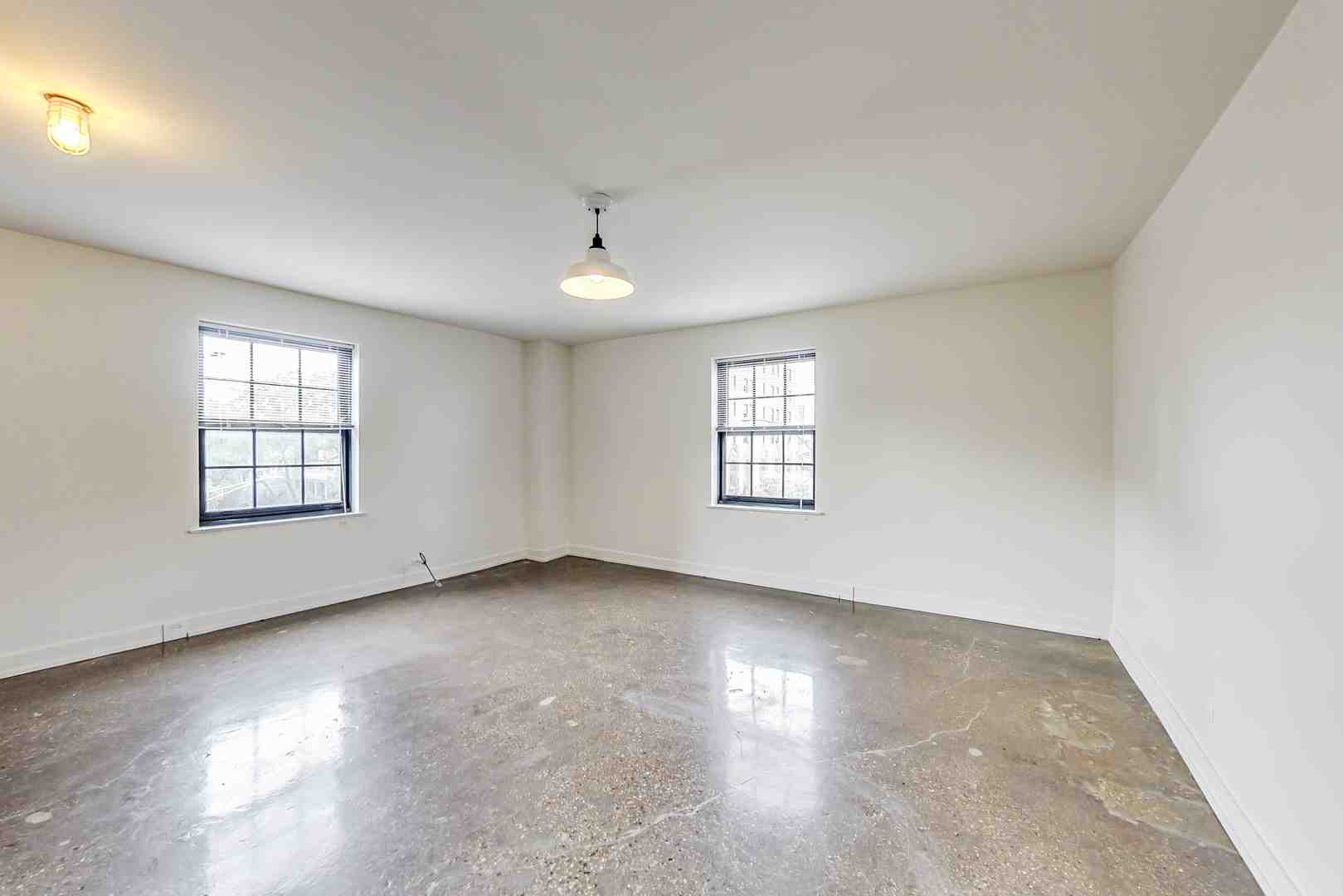
The right basement apartment addresses these challenges with thoughtful design—large windows, excellent ventilation, proper moisture control, and responsive maintenance. When those elements are in place, the advantages for pet owners can truly shine.
Key Features of a Great Pet-Friendly Basement Apartment for Rent
When searching for a pet-friendly basement apartment for rent, you're looking for a home where both you and your pet can thrive. The difference between a property that allows pets and one designed for pet owners is in the details. For a deeper look at what makes a building welcoming to pets, check out the pet-friendly buildings at The Lawrence House.
Essential In-Unit Features for a Pet-Friendly Basement Apartment for Rent
Viewing a potential apartment with your pet in mind means looking at the space differently. Durable flooring like hardwood, tile, or vinyl plank makes life easier, as these surfaces handle spills and accidents without absorbing odors. Carpeting can trap pet dander and smells.
Egress windows are an essential safety feature, providing an emergency exit. They also flood the space with natural light, which is beneficial for a pet's circadian rhythm and makes the space feel more cheerful.
Good ventilation impacts your pet's health by preventing the dampness and stuffiness common in some basements. Look for exhaust fans and check if the air feels fresh. Proper airflow helps prevent mold.
Pet supplies require space. Ample storage for food, toys, and grooming supplies helps keep your living area uncluttered. Built-in closets or extra shelving are a significant plus.
A separate entrance can transform your daily routine. It provides a direct path outdoors, meaning quicker potty breaks and fewer encounters in shared hallways for reactive dogs. For more ideas on maximizing smaller layouts, see the guide on dog-friendly studio apartments at The Lawrence House.
Important Building and Neighborhood Amenities
The apartment is only part of the equation. The surrounding amenities and neighborhood features can make or break the experience.
Outdoor space, even a modest shared yard or patio, gives your pet a place to enjoy fresh air. Some properties offer substantial areas for pets to stretch their legs.
Easy access to nearby parks and pet relief areas is a major benefit. Chicago's numerous Dog-Friendly Areas provide socialization opportunities and varied environments that keep dogs engaged and exercised.
A walkable neighborhood benefits everyone. When daily errands and strolls can happen on foot, your dog becomes a natural part of your routine. Tree-lined, pedestrian-friendly streets are also more pleasant for regular walks.
Having veterinary clinics and grooming services nearby is a practical advantage. Quick access to quality care provides peace of mind in case of an emergency and makes routine appointments less of a chore. For more options that meet these criteria, explore pet-friendly apartments available now at The Lawrence House.
Navigating Lease Details, Legality, and Safety
When you're ready to sign for a pet-friendly basement apartment for rent, careful attention to detail is crucial. The lease agreement, legal compliance, and safety features are the foundation of a secure home for you and your pet.
Understanding Lease Terms: Rent, Utilities, and Pet Policies
It's essential to understand every part of the lease before signing. The financial commitment extends beyond the monthly rent, especially when pets are involved.
Utility structure can vary. Some apartments include certain utilities in the rent, while others require you to pay for them separately. Always ask for clarity on which services you are responsible for.
Regarding pet-related costs, several types of fees are common. A pet deposit is a one-time, often refundable charge that acts as security against potential damage. Many properties also charge monthly pet rent, a recurring fee that may contribute to maintaining pet amenities. You might also see a one-time, non-refundable pet fee at move-in.
Different rules apply to service and emotional support animals. These animals are not considered "pets" under the Fair Housing Act, which typically means exemption from pet fees and certain restrictions. Be prepared to provide appropriate documentation if this applies to your situation. For a complete overview of pet policies, review the information on apartment pet policies at The Lawrence House.
The golden rule is to get everything in writing. Every policy, fee, and arrangement should appear clearly in your lease agreement to prevent future misunderstandings.
Ensuring Your Rental is Safe and Legal
Safety is non-negotiable in any living space. Legal basement apartments must meet specific building codes designed to protect residents.
Egress windows are a critical safety feature. These are emergency exits that must be present in every bedroom, properly sized, and fully functional. An apartment without code-compliant egress windows is not a legal dwelling.
Ceiling height standards also exist to ensure adequate ventilation and a livable space. If a unit feels unusually cramped, it might not meet minimum requirements.
Look for proper insulation and signs of waterproofing. Basement apartments should feel dry, not damp or musty.
Smoke detectors and carbon monoxide detectors are essential safety devices. Check that they are present, test them during your walk-through, and confirm with the property manager that they are regularly maintained.

If a building's pet policy changes during your tenancy, existing pets are typically "grandfathered in." However, this protection should be documented in your lease. A safe, legal, and properly documented pet-friendly basement apartment for rent provides the peace of mind needed to build a happy home with your pet.
Your Search Checklist: Finding Listings and Asking the Right Questions
The search for the perfect pet-friendly basement apartment for rent can be a straightforward process with a clear strategy. Knowing where to look and what to ask makes all the difference. For comprehensive guidance, explore the resources on available pet-friendly apartments at The Lawrence House.
How to Find the Right Pet-Friendly Basement Apartment for Rent
Online rental platforms are a primary tool for your search. Use the "pet-friendly" filter to narrow down options quickly. Refine your search further with filters for features like private entrances or proximity to parks. Setting up alerts can notify you the moment a matching listing hits the market.
Local classifieds and community-focused platforms can uncover listings that don't appear on major rental sites. Landlords sometimes prefer these more direct channels for unique properties like basement apartments.
Don't underestimate the power of word-of-mouth. Letting friends and coworkers know you're searching can lead to unexpected opportunities. Someone might know of a landlord with an upcoming vacancy.
For those interested in Chicago's Uptown neighborhood, the Chicago dog-friendly apartments guide at The Lawrence House offers localized insights to streamline the search.
Questions to Ask the Leasing Team or Property Manager
Once you've identified promising options, it's time to gather more information. A conversation with the leasing team is your chance to get critical details and demonstrate that you're a responsible prospective tenant.
- Pet Policy: What are the specific weight limits, breed restrictions, and the maximum number of pets allowed?
- Financials: What is the amount for the pet deposit and any monthly pet rent? Are any fees non-refundable?
- Utilities: Which services are included in the rent, and which are paid separately?
- Maintenance: How are maintenance requests handled, especially for urgent issues?
- Noise Policy: What are the building's policies regarding noise from other units and from your own pet?
- Amenities: What are the rules for pet use of any outdoor or shared spaces?
- Logistics: What is the lease duration, and what are the renewal terms?
Asking thorough questions is a sign of a serious and responsible applicant. This dialogue sets the foundation for a positive rental relationship where both you and your pet can feel at home.
Frequently Asked Questions about Pet-Friendly Basement Rentals
During the search for the perfect pet-friendly basement apartment for rent, certain questions arise frequently. Addressing these common concerns can help you make an informed decision.
Are basement apartments a good option for dogs?
Yes, a pet-friendly basement apartment for rent can be a wonderful home for a dog, provided the unit fits the dog's needs. The naturally cooler temperatures are a benefit for many dogs, especially during warm summers. Ground-level access makes potty breaks effortless, which is ideal for puppies and senior dogs.
However, evaluate the natural light. While modern units often have large egress windows, older conversions may be darker. Also, consider sound sensitivity. Basements insulate well from street noise but can transmit sounds from the unit above. Gauge the noise levels during a visit if your dog is easily startled.
What are common pet fees I should expect?
Understanding the financial aspect of renting with pets helps you prepare. Several types of fees are standard.
- Pet Deposit: A one-time, often refundable payment to cover potential damages. The amount varies by property.
- Monthly Pet Rent: An ongoing fee added to your rent, which often supports pet-related amenities. The amount varies by property.
- Non-Refundable Pet Fee: A one-time charge at lease signing that is not returned. The amount varies by property.
Service animals and emotional support animals are legally distinct from pets and are generally exempt from these fees and certain restrictions under fair housing laws. Always request a written breakdown of all costs before signing a lease. For more details, see the information on apartment pet policies at The Lawrence House.
How can I check for dampness in a basement apartment?
Dampness is a valid concern for any basement. Excess moisture can lead to mold and air quality issues. A methodical inspection can spot potential problems.
- Visual Inspection: Look for water stains on walls, ceilings, and floors, especially in corners, closets, and under sinks. Peeling paint or discoloration are red flags.
- Use Your Nose: A persistent musty or earthy smell is a reliable indicator of moisture and potential mold.
- Touch Surfaces: Walls and floors should not feel cold and clammy.
- Check Windows: Look for condensation on the interior glass, which signals high humidity. Inspect sills and frames for water damage.
- Ask Questions: Inquire about the unit's history with water intrusion, any waterproofing measures, and whether a dehumidifier is provided or recommended.
A dry, well-maintained basement apartment can be a perfectly healthy and comfortable home. The key is performing due diligence during your search.
Conclusion
Finding the right pet-friendly basement apartment for rent takes attention to detail, but the effort pays off with a home where both you and your pet can thrive. This guide has covered the unique benefits of basement living, from cooler temperatures to sound insulation, and the practical challenges to address, like ensuring adequate light and managing humidity.
Success in your search depends on knowing what to look for. Durable flooring, safe egress windows, and proper ventilation all contribute to a healthy home. Beyond the unit, proximity to parks and veterinary care makes life with a pet more enjoyable.
Understanding the financial details and confirming that the apartment meets all safety and legal requirements is equally important. Asking the right questions and conducting thorough inspections before signing a lease will prevent future issues.
The Lawrence House Apartments community is designed to welcome both two-legged and four-legged residents. With thoughtful amenities and an understanding of what pet owners need, the community is committed to creating spaces where everyone feels at home.
Ready to find your perfect match? Browse the selection of pet-friendly apartments and find what makes The Lawrence House special. Explore the community amenities to see all the ways a vibrant, pet-friendly lifestyle is supported in the heart of Uptown Chicago.
Your next chapter—complete with wagging tails and happy memories—starts here.