

Why Sustainable Luxury Living Matters Now More Than Ever
Sustainable luxury living is the integration of high-end design, premium amenities, and environmental responsibility. It combines eco-friendly features like energy-efficient systems, sustainable materials, and water conservation with the comfort and style expected from luxury homes.
Key Components of Sustainable Luxury Living:
- Energy Efficiency - Solar panels, smart thermostats, and high-performance insulation
- Sustainable Materials - Reclaimed wood, recycled glass, bamboo, and low-VOC paints
- Water Conservation - Rainwater harvesting, low-flow fixtures, and native landscaping
- Smart Technology - Automated systems for lighting, climate, and energy management
- Wellness Focus - Natural light, advanced air filtration, and non-toxic materials
The world of luxury is changing. What once meant simply opulence now accepts something deeper: responsibility. Buildings account for 21% of total greenhouse gas emissions, and the luxury real estate market is responding. High-net-worth individuals are driving this shift, with 75% of ultra-high-net-worth individuals actively seeking eco-friendly homes that reduce their carbon footprint.
This isn't about sacrificing comfort for conscience. Modern sustainable luxury homes prove that comfort and conscience can coexist. They feature the finest finishes and cutting-edge amenities while using renewable energy, conserving water, and creating healthier indoor environments. Think solar-powered penthouses with green roofs, smart homes that learn preferences while optimizing energy use, and spaces filled with natural light and clean air.
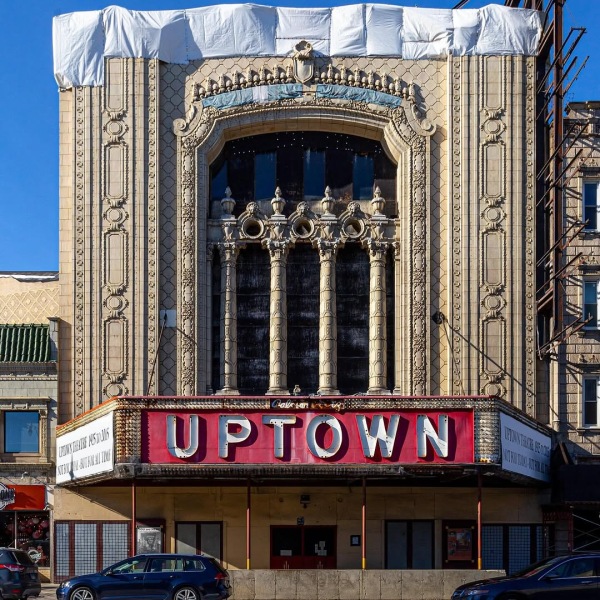
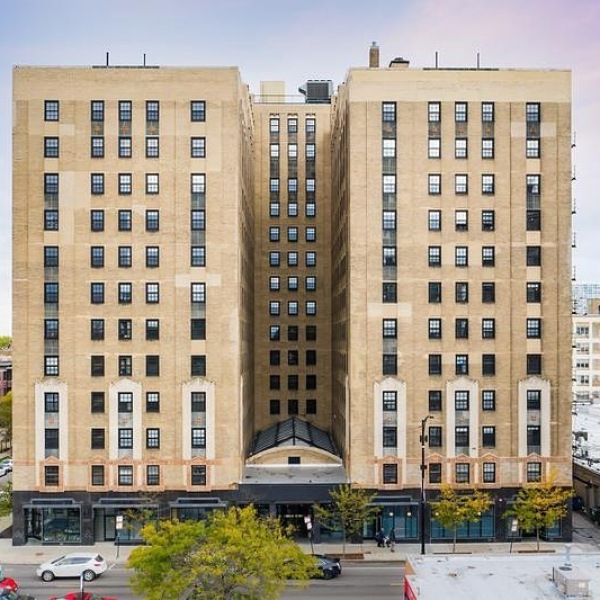
The movement goes beyond individual homes. Cities worldwide are embracing sustainable luxury in their real estate markets. From London's urban developments with rooftop gardens to Chicago's restored historic buildings outfitted with modern eco-features, the change is global.
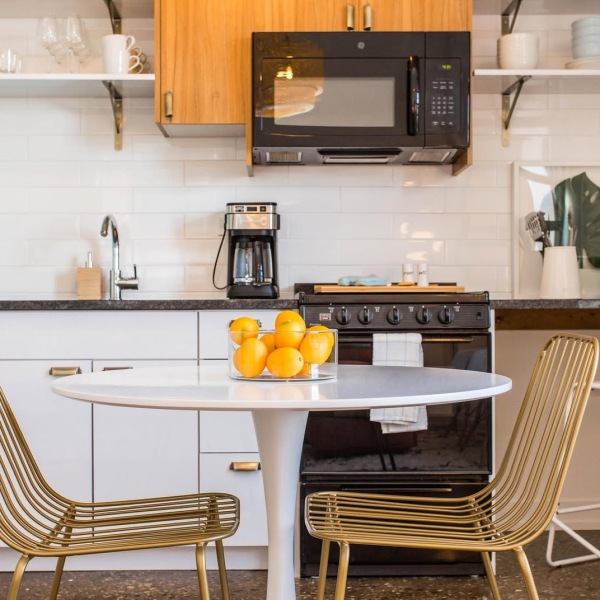
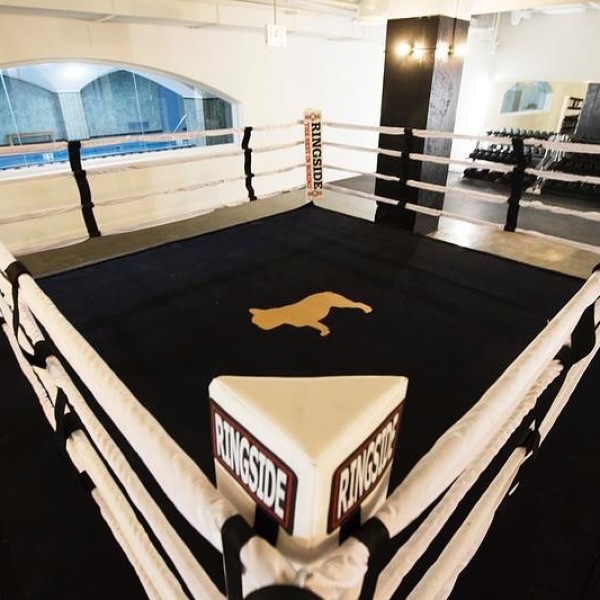
For career-driven urban dwellers, this evolution offers something valuable: homes that align with personal values while delivering the lifestyle and convenience modern life demands. The amenities are still there—fitness centers, communal spaces, pet-friendly areas—but now they're designed with environmental impact in mind.
The Core Principles of Sustainable Luxury Living
The definition of luxury is continually evolving. It's no longer solely about lavishness, but about a deeper sense of responsibility and harmony with the planet. This shift marks a significant architectural change, as designers and developers increasingly prioritize sustainable innovation. High-net-worth individuals are demanding more from their living spaces, with 81% of high-spending buyers willing to explore new housing types that reflect sustainability, authenticity, and holistic wellness values. This means luxury is now defined by awareness, responsible innovation, and a seamless connection with nature.
This change is rooted in innovative architectural approaches like bioclimatic design. Bioclimatic architecture aims to maximize comfort while promoting energy efficiency, harmonizing a structure with its surrounding landscape. It's about designing homes that feel intrinsically connected to their environment, blending aesthetic appeal with ecological integrity. The goal is to create living spaces that are both exquisitely designed and inherently good for the planet and its inhabitants.

The Role of Sustainable Materials and Design
At the heart of sustainable luxury living is a commitment to eco-friendly materials and thoughtful design. A distinct rise in the adoption of materials that are not only beautiful but also kind to the Earth is evident. This includes reclaimed wood, which brings character and history to a space, and recycled glass, adding unique visual appeal. Materials like bamboo and cork offer renewable and rapidly regenerating options for flooring and finishes. For paints and finishes, low-VOC (Volatile Organic Compound) options are prioritized. This is crucial because VOCs can off-gas into the air, potentially damaging human organs and contributing to ground-level ozone, which can trigger a variety of health problems. By choosing low-VOC products, healthier indoor environments are created for residents.
Moreover, sustainable design means aligning homes with their natural surroundings. This involves creating landscapes that feature indigenous plants and organic gardens, which not only conserve water but also foster local biodiversity. Luxury houses are leading the way in forming a bond with natural surroundings, producing an neatly stunning and eco-responsible haven. This integrated approach ensures that these homes are not just structures, but living parts of the ecosystem.
Enhancing Wellness and Indoor Environmental Quality
Beyond environmental impact, sustainable luxury living significantly improves resident well-being and indoor environmental quality. Homes are designed to be sanctuaries that promote health and comfort. This includes maximizing natural light, which has been shown to improve mood and productivity. Advanced air filtration systems are also integrated to ensure that the air residents breathe is clean and free of pollutants. Thermal comfort is achieved through superior insulation and efficient climate control, maintaining stable indoor temperatures year-round.
The use of non-toxic materials, as mentioned earlier, is paramount, eliminating harmful chemicals that can affect health. This commitment to healthy living environments extends to using products that are GreenGuard Certified, ensuring they meet rigorous chemical emission standards. By focusing on these elements, spaces are created that contribute positively to physical and mental health. This approach to Luxury Apartments with Amenities ensures that every convenience is also a step towards a healthier, more sustainable lifestyle.
Key Features and Innovations in Eco-Luxury Homes
The future of high-end homes is being shaped by cutting-edge innovations that prioritize energy efficiency, water conservation, smart technology, and waste reduction. These features are not just environmental statements; they are integral to the modern luxury experience. The market for these solutions is booming, with the Green Building Material Market projected to reach an impressive $768.8 billion by 2032, growing at a compound annual growth rate of 10.7% from 2023 to 2032. This growth underscores the increasing adoption of sustainable solutions in real estate.

Energy Efficiency and Renewable Energy
A cornerstone of sustainable luxury living is maximizing energy efficiency and integrating renewable energy sources. This means incorporating features like solar panels, which generate clean electricity and reduce reliance on fossil fuels. Geothermal systems provide highly efficient heating and cooling by using the Earth's stable underground temperatures. High-performance insulation, such as spray foam and rigid boards, plays a critical role in maintaining stable indoor temperatures and enhancing thermal efficiency.
LED lighting is used throughout properties for its superior energy efficiency and longevity. Energy-efficient appliances, from refrigerators to washing machines, further improve energy performance. Passive design strategies, which optimize a building's orientation, windows, and materials to naturally regulate temperature and light, are also key. Smart thermostats allow for precise climate control, adapting to residents' schedules and preferences, while energy monitoring systems provide real-time data to help identify and optimize energy use. These efforts are crucial, especially given that buildings account for 21 per cent of total greenhouse gas emissions, primarily due to electricity, heating, and cooling.
Smart Home Technology Integration
Seamless smart home technology is a hallmark of modern sustainable luxury living. These automated systems go beyond mere convenience, playing a significant role in energy management and overall efficiency. These systems allow for control of lighting, climate, and even window shades with a simple tap or voice command. Smart home integration allows for precise management of energy usage, ensuring that resources are only expended when and where needed. This contributes to a reduced environmental footprint.
The latest smart home devices offer features like automated lighting that adjusts to natural light levels, smart thermostats that learn preferences, and integrated systems that monitor energy consumption across various appliances. These technologies improve comfort and streamline daily routines, providing a truly intelligent living experience. The Apartment Amenities in Chicago are designed to incorporate such intelligent features, blending modern convenience with environmental responsibility.
Water Conservation and Sustainable Landscaping
Water is a precious resource, and sustainable luxury living places a strong emphasis on its conservation. Innovations include rainwater harvesting systems that collect and store precipitation for non-potable uses like irrigation, and greywater recycling systems that treat water from sinks and showers for similar purposes. Low-flow fixtures, such as faucets, showerheads, and dual-flush toilets, significantly conserve water without compromising performance or comfort.
Beyond the home's interior, sustainable landscaping plays a vital role. Smart irrigation systems adjust water delivery based on weather conditions and soil moisture, preventing overwatering. Drought-resistant landscaping and the use of native plants are prioritized, which require less water and maintenance. In urban settings like Chicago, green roofs (also known as living roofs) are a notable innovation. These provide insulation, manage stormwater runoff, and create beautiful, biodiverse spaces, contributing to rooftop gardens in urban settings that improve both aesthetics and environmental performance.
The Environmental and Lifestyle Benefits
Investing in sustainable luxury living offers a wealth of benefits that extend far beyond environmental stewardship. It leads to a reduced carbon footprint and the conservation of natural resources. The advantages are not just ecological; they profoundly impact daily life, fostering an improved lifestyle, a deeper connection to nature, and healthier indoor spaces.
Full Amenity Apartments Chicago exemplify how these benefits translate into a superior living experience. Residents can enjoy the convenience of modern amenities while knowing their home contributes to a greener future.
A Greener Footprint
The commitment to sustainable luxury living directly translates into a greener footprint for both individuals and the planet. By implementing energy-efficient systems and renewable energy sources, these systems contribute to significantly reduced emissions. A focus on waste reduction is equally important, especially considering that humanity produces 2.24 billion tonnes of municipal solid waste annually, of which only 55% is managed in controlled facilities. Through practices like composting, recycling, and mindful consumption, this burden can be dramatically lessened.
Furthermore, sustainable landscaping and the integration of green spaces support biodiversity and help protect local ecosystems. Indigenous plants and thoughtfully designed outdoor areas provide habitats for local wildlife, contributing to a healthier urban environment and a richer connection with the natural world.
Long-Term Value and Desirability
Choosing sustainable luxury living is an ethical decision that also holds long-term value. The market demand for such properties is steadily increasing, driven by discerning buyers who prioritize environmental responsibility. Data shows that 75% of UHNWI actively seek eco-friendly homes, making these properties highly desirable.
These homes are often considered future-proof, built to adapt to evolving environmental standards and consumer expectations. High-end green residences are among the most resilient and sought-after properties, making them a desirable asset in the real estate market.
Global Trends and the Future of Sustainable Luxury Living
The adoption of sustainable luxury living is a global phenomenon, rapidly evolving and setting new standards in the real estate market. This trend reflects a broader shift in consumer values, where environmental consciousness is becoming as important as comfort. The future outlook points to an even greater integration of eco-friendly practices into high-end properties, redefining what it means to live luxuriously. This evolution is clearly visible in the Luxury Living Chicago Real Estate market, where innovation is key.
Pioneering Cities and Regions
While many regions globally are embracing sustainable luxury living, cities like Chicago are uniquely positioned to blend historical grandeur with modern eco-conscious design. The city, with its rich architectural heritage, is seeing a significant trend where restored historic buildings are being outfitted with modern, sustainable features. This approach honors the past while building for a greener future, proving that sustainability can seamlessly integrate with existing urban fabrics. For instance, communities are integrating green spaces and supporting local farmers markets, fostering a connection to nature and local economies even within busy urban environments. This reflects a global aspiration to improve urban sustainability.
The Rise of Shared and Efficient Living
A notable development in sustainable luxury living is the rise of shared and efficient living models, particularly co-living concepts. These models offer a unique blend of private spaces and shared amenities, promoting responsible resource management and fostering a sense of community. By sharing common areas and resources, residents can significantly reduce their individual environmental footprint. Co-living spaces are designed for efficiency, often incorporating many of the sustainable features discussed, such as energy-efficient appliances and smart home technology.
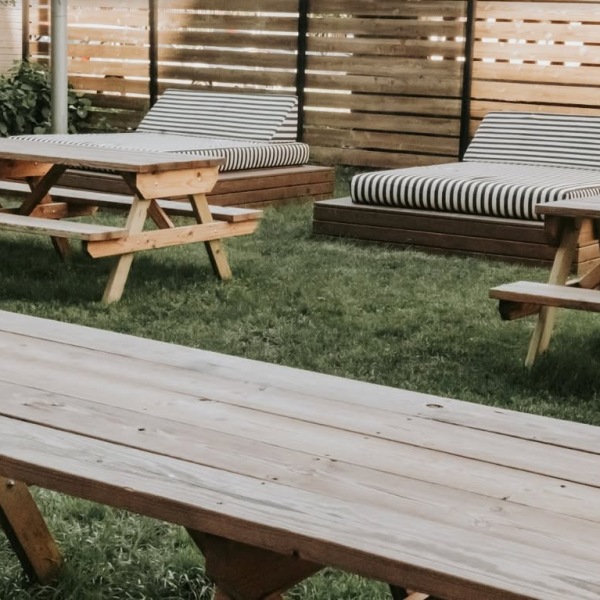
This approach cultivates a vibrant community vibe of shared spaces. These communities are designed to provide convenience and connection, offering a diverse range of Amenities that support a holistic and sustainable lifestyle.
How to Identify Genuine Sustainable Luxury Living
As sustainable luxury living gains popularity, it's crucial for consumers to be able to identify genuine offerings and avoid "greenwashing"—misleading claims about environmental benefits. It is important to look for transparency and verifiable evidence of sustainable practices. The FTC Green Guides provide valuable guidance on how brands should substantiate their eco-friendly claims.
To ensure an investment in truly sustainable luxury, consumers can look for properties and products that carry recognized third-party certifications. These certifications indicate that a building or product has met stringent environmental and performance standards.
Here are some key certifications to look for:
- LEED (Leadership in Energy and Environmental Design): A globally recognized symbol of sustainability achievement, providing a framework for healthy, highly efficient green buildings.
- Passive House: A rigorous, voluntary standard for energy efficiency in a building, reducing its ecological footprint.
- ENERGY STAR: A program that helps businesses and individuals protect the climate through superior energy efficiency.
- GreenGuard: Certifies products for low chemical emissions, enhancing indoor air quality.
- GOTS Certified (Global Organic Textile Standard): Ensures the organic status of textiles from harvesting of the raw materials through environmentally and socially responsible manufacturing.
Frequently Asked Questions about Sustainable Luxury Living
What defines a home as "sustainable luxury"?
A home is defined by the integration of high-end design and amenities with environmentally responsible features, such as energy efficiency, sustainable materials, and a focus on occupant well-being, without compromising on comfort or style.
What is the market appeal of sustainable luxury homes?
They cater to a growing market demand for environmentally responsible living. Their design and features often make them highly desirable and resilient properties within the real estate market.
How does sustainable design impact daily life?
It improves daily life by creating healthier indoor environments with better air quality and more natural light. It also offers the convenience of smart technology for managing home systems and can foster a closer connection to nature through thoughtful design and green spaces.
Conclusion: Embracing the Future of Green Glamour
Sustainable luxury living is far more than a passing trend; it's the new standard for high-end real estate. It represents a profound shift in consumer values, where opulence is harmoniously blended with environmental responsibility, innovative design, and a deep commitment to well-being. This movement offers a future where sophisticated living and ecological stewardship are not mutually exclusive but mutually enhancing.
This means creating living spaces that resonate with modern aspirations—homes that provide every comfort and convenience while actively contributing to a healthier planet. It's about designing buildings that are not just beautiful, but also intelligent, efficient, and restorative.
Explore how luxury and sustainability merge in modern living. Lawrence House Apartments in Chicago is a place where restored historic architecture blends with modern, sustainable features and high-end amenities to offer a truly exceptional living experience.