

Why Sustainable Urban Living Matters Now More Than Ever
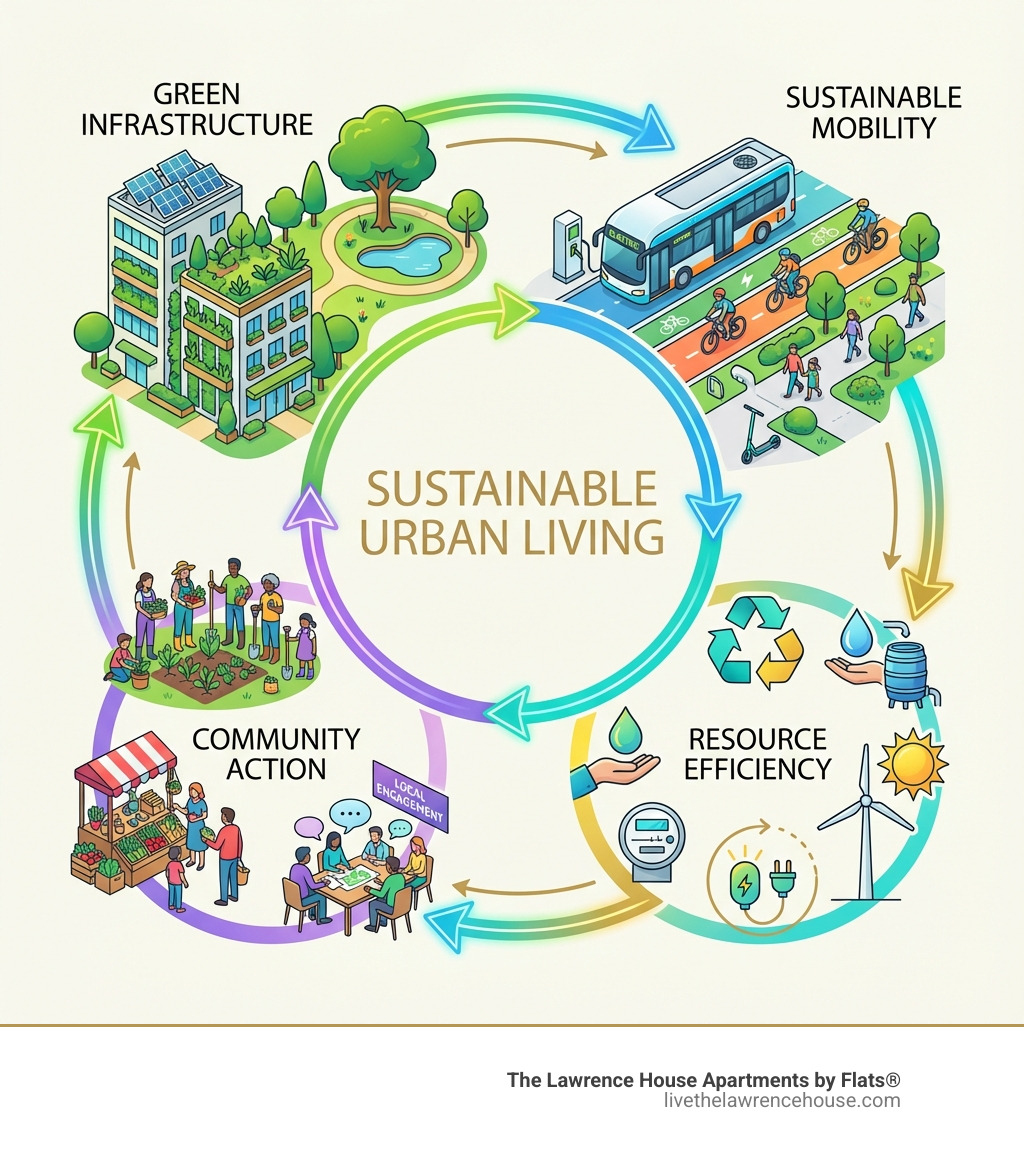
Sustainable urban living is the practice of creating and maintaining cities that balance economic growth, social well-being, and environmental responsibility through efficient resource use, green infrastructure, and community engagement.
Key Components of Sustainable Urban Living:
- Green Buildings - Energy-efficient structures with sustainable materials and smart technology
- Sustainable Mobility - Public transit, cycling infrastructure, and electric vehicles
- Resource Efficiency - Waste reduction, water conservation, and renewable energy
- Community Action - Local engagement, behavioral change, and collective initiatives
- Green Spaces - Parks, gardens, and nature-based solutions for climate resilience
Cities cover just 3% of Earth's land but consume 60-80% of global energy and produce 75% of carbon emissions. By 2050, 70% of the world's population will live in urban areas. This rapid urbanization creates a critical challenge: how to build cities that support thriving communities without destroying the planet?
The answer lies in rethinking how cities function. From the buildings constructed to the way people move through streets, from how waste is managed to how neighbors engage with each other, every aspect of urban life offers an opportunity for positive change.
The good news? Cities are also centers of innovation and progress. They have the power to lead the shift toward a more sustainable future through smart planning, technology, and community-driven solutions. The change is already happening in cities around the world, and it starts with understanding what sustainable urban living really means.
The Foundations: Green Infrastructure and Smart Urban Planning
Cities are vibrant centers of life, but they face significant challenges in becoming truly sustainable. The rapid pace of urban growth, coupled with aging infrastructure and high resource consumption, demands innovative solutions. Urban planning plays a pivotal role in shaping a city's future, influencing everything from housing to transportation and how cities adapt to a changing climate.
Urban planning and thoughtful policy decisions are crucial for promoting sustainability. Every choice about how land is used in urban spaces can either improve lives and reduce the collective environmental footprint or have the opposite effect. For instance, cities can implement integrated policies and plans that prioritize resource efficiency, climate change mitigation, and disaster risk reduction, helping to reduce economic losses from events like floods, which could impact 1 billion people by 2025.
Local governments and communities can actively adapt to the impacts of climate change through urban planning and building codes. This includes creating more green and shaded areas, adjusting building design for better climate resilience, and investing in urban societal resilience. Initiatives like the Renovation Wave and Fit for 55, while European in origin, exemplify the global push for renovating and constructing more energy-efficient buildings as part of climate change mitigation. These policies highlight the importance of coordinated efforts to steer urban development towards a greener, more resilient path.

Green Buildings and Resilient Design
Green buildings are a cornerstone of sustainable urban living, designed to minimize environmental impact while creating healthier, more efficient living conditions. These structures incorporate sustainable design principles from the ground up, utilizing natural building materials, smart heating and cooling systems, and energy-efficient appliances.
The impact of buildings on the environment is substantial. Building stock accounts for 40% of energy consumption and 36% of greenhouse gas (GHG) emissions. Globally, cities are responsible for 70% of GHG emissions, with buildings contributing 30% of that total. This highlights the urgent need for more green buildings to reduce the collective carbon footprint.
Features like green roofs, which are increasingly common, help manage stormwater, reduce the urban heat island effect, and provide insulation. Water conservation systems, such as rainwater harvesting, further improve a building's sustainability by reducing reliance on municipal water supplies. Even existing structures, including historic buildings like some of those in Chicago's Uptown, can be retrofitted with modern, energy-efficient solutions to extend their lifespan and improve their environmental performance. Understanding what is a green building? is the first step towards embracing these vital changes in urban landscapes.
The Role of Green Spaces and Urban Planning
Green spaces, such as parks, community gardens, and tree-lined streets, are vital components of sustainable urban living. They play a critical role in mitigating the urban heat island effect, which occurs when city surfaces absorb and retain heat, leading to higher temperatures than surrounding rural areas. By providing shade and promoting evapotranspiration, green spaces cool cities, making them more comfortable and safer, especially during heatwaves.
Beyond cooling, public green spaces offer significant environmental, health, and economic benefits. They absorb carbon dioxide, improve air quality by filtering fine particulate matter (PM2.5), and provide essential habitats for urban biodiversity. For instance, increasing public green spaces like parks and community gardens can absorb carbon dioxide, reduce urban heat, and provide wildlife habitat. The goal by 2030 is to provide universal access to safe, inclusive, and accessible green and public spaces for all, especially for women, children, older persons, and persons with disabilities.
Thoughtful urban planning can integrate these spaces into walkable neighborhoods and promote mixed-use development, where residential, commercial, and recreational areas are combined. This reduces reliance on private vehicles for daily needs and fosters a stronger sense of community. Tools like Urban Atlas data for planners provide crucial insights for city planners, allowing them to make informed decisions about land use, green infrastructure, and transportation networks. Ensuring access to high-quality public spaces is not just an environmental goal; it's a social one, enhancing the well-being and liveability of every neighborhood.
Powering the City: Sustainable Mobility and Resource Management
Achieving sustainable urban living requires a holistic approach to how cities consume and manage resources. This means prioritizing resource efficiency, a concept closely tied to "urban metabolism"—the study of how cities process materials and energy. Technology plays an increasingly critical role in this change, driving smart city innovations that optimize resource use and reduce environmental impact. From intelligent waste management systems to smart grids that balance energy demand, technology empowers the creation of cities that are more responsive, efficient, and sustainable.

The Importance of Sustainable Mobility in Cities
Public transportation and sustainable mobility are crucial for reducing the environmental footprint of cities. Transportation is responsible for significant global CO2 emissions, making the shift to greener alternatives imperative. In 2022, only half of the urban population had convenient access to public transport, highlighting a major area for improvement.
Expanding public transport systems is a key strategy for sustainable urban living. This includes providing access to safe, accessible, and sustainable transport for all by 2030, improving road safety, and catering to the needs of vulnerable populations.
Electric vehicles (EVs) are also gaining traction, with sales rising from 4% to 14% between 2020 and 2022. EVs offer zero tailpipe emissions, contributing to cleaner air and reduced greenhouse gases. Addressing range anxiety concerns through the expansion of charging stations is vital for encouraging wider adoption.
Beyond motorized transport, cities are investing in walkable and bike-friendly infrastructure. Pedestrian bridges, dedicated bike paths, and bike-sharing programs create a walking and cycling culture, promoting healthier lifestyles and reducing reliance on private vehicles. Living in apartments near public transportation in Chicago, for example, makes it easier for residents to accept these sustainable commuting choices, reducing their personal carbon footprint and contributing to cleaner urban air.
Here are some sustainable transport options gaining momentum in cities:
- Electric buses and trains: Many cities are replacing fossil-fuel-powered fleets with electric alternatives. Shenzhen, China, for instance, has fully electrified its entire bus fleet.
- Bus Rapid Transit (BRT) systems: These high-capacity systems efficiently move many passengers across cities, as seen with Bogota, Colombia's TransMilenio BRT.
- Bike-sharing programs: These initiatives provide convenient access to bicycles for short trips, reducing car usage.
- Hydrogen fuel cell vehicles: Some cities are exploring alternative fuels for public transport, like the Orange County Transportation Authority in California, which uses hydrogen fuel cell buses.
The Circular Economy and Resource Efficiency
The concept of a 'circular economy' is fundamental to sustainable urban living. It shifts away from a linear "take-make-dispose" model towards one that emphasizes reusing, recycling, and regenerating resources. In an urban context, this means designing products for longevity, turning waste into valuable resources, and significantly reducing the consumption of finite materials.
Cities face considerable waste management challenges. The aim by 2030 is to reduce the adverse per capita environmental impact of cities, specifically focusing on waste management. Composting programs are a prime example of circular economy principles in action. Composting offers significant environmental benefits by diverting organic waste from landfills, decreasing methane emissions—a potent greenhouse gas. It also enriches soil, reducing the need for chemical fertilizers and promoting healthier urban green spaces.
Wastewater treatment and reuse are equally crucial. Urban wastewater, a growing concern, can contaminate rivers and groundwater if untreated. Efficient wastewater management involves building or upgrading treatment plants and implementing systems for rainwater harvesting and green infrastructure like rain gardens and bioswales. These solutions reduce stormwater runoff, filter pollutants, and contribute to cleaner water sources.
Integrating renewable energy sources, such as solar farms, is another key aspect of resource efficiency. Solar and wind battery storage now dominate new electric-generating capacity in the US, accounting for 82% of new planned utility-scale capacity in 2023. These projects, along with rooftop solar installations, help power cities with clean energy, reducing reliance on fossil fuels and improving air quality.
The People's Role in Sustainable Urban Living
While policies and infrastructure lay the groundwork, the ultimate success of sustainable urban living depends on the active participation of individuals and communities. There's often a "behavioral gap" where, despite investments in green infrastructure and climate policies, cities struggle to engage residents in sustainable behaviors. The Sustainable Urban Behaviour (SUB) framework addresses this by designing urban environments where sustainable choices become the easiest, most convenient, and most socially rewarded options, rather than relying solely on individual willpower.
Ensuring inclusivity and resilience in development plans is paramount. This means creating cities where all citizens can live a decent quality of life, contribute to the city's dynamic, and enjoy access to basic services, housing, and green spaces. Community-driven solutions are vital for strengthening existing neighborhoods and fostering a shared sense of responsibility for a sustainable future.
How Individuals Contribute to Sustainable Urban Living
As individuals, daily choices collectively create a significant impact on urban sustainability. Embracing conscious consumption and actively reducing personal waste are powerful steps. This includes choosing products with minimal packaging, extending the life of items through proper care, and participating in local recycling and composting programs.
Supporting local businesses, such as those in Chicago's vibrant neighborhoods, helps strengthen the local economy and reduces the carbon footprint associated with long supply chains. Simple actions at home, like being mindful of water and energy use, contribute to broader resource efficiency. This could mean taking shorter showers, turning off lights when leaving a room, or unplugging electronics.
Making sustainable commuting choices, such as walking, cycling, or using Chicago's public transit system, dramatically reduces individual carbon emissions and improves urban air quality. Even choices about where and how people live, such as selecting a pet friendly apartment that supports local pet services, can align with a broader sustainable lifestyle. Every small action, multiplied by millions, makes a significant difference in shaping a greener, more resilient urban environment.
Community Engagement and Collective Action
Community engagement and collective action are powerful drivers of urban sustainability. By taking an active interest in city governance and advocating for a desired vision for the city, people can influence policy decisions and urban planning outcomes. This might involve participating in public meetings, joining local environmental groups, or supporting community-based initiatives.
Community-based initiatives foster a culture of sustainability by encouraging shared resources and collective green projects. This could include neighborhood clean-ups, community gardens, or collaborative efforts to establish local composting sites. Co-living models, for example, often optimize shared resources and foster a community-driven approach to sustainable practices. Creating spaces where residents can connect, like a local Uptown Cocktail Bar or community center, also strengthens social ties and facilitates collective action. When neighbors work together, they can achieve sustainability goals that might be challenging for individuals alone. This collective effort builds social resilience and ensures that sustainable development plans genuinely serve the needs and aspirations of the people living in the city.
The Big Picture: Challenges, Benefits, and Global Examples
The transition to sustainable urban living is a global undertaking, requiring collaboration across governments, businesses, and communities. The economic benefits of investing in sustainable urban practices are substantial. Cleaner energy in cities could contribute more than half of the emissions cuts needed to keep global warming below 2°C. These investments lead to improved public health through cleaner air and water, and they create new job opportunities in green sectors like renewable energy, sustainable construction, and eco-tourism. Cities that embed behavioral insights into their daily operations consistently achieve sustainability targets faster, gaining a competitive advantage.
Key Strategies for Achieving Sustainable Urban Living
Achieving sustainable urban living requires a deliberate shift from traditional urban models. Here's a comparison of key strategies:
| Metric | Traditional Urban Model | Sustainable Urban Model |
|---|---|---|
| Energy | High consumption, fossil fuels | Renewable sources, efficiency |
| Transport | Car-dependent, congestion | Public transit, cycling, EVs |
| Waste | Landfill-focused, linear flow | Circular economy, reuse, recycle |
| Green Space | Limited, fragmented, ornamental | Integrated, functional, accessible |
Integrated policy-making is crucial, bringing together different sectors like housing, transport, and environmental protection. Public-private partnerships can mobilize necessary resources and expertise for large-scale projects, while sustained investment in green technology drives innovation. By adopting these strategies, cities can transform into resilient, resource-efficient, and vibrant places for everyone.
Successful Examples of Sustainable Cities
Cities around the world offer inspiring examples of sustainable urban living in action:
- Copenhagen, Denmark: Known for its extensive cycling infrastructure, Copenhagen aims to be carbon neutral by 2025. It integrates green spaces and sustainable design into its urban fabric, making it a highly livable city.
- Singapore: This city-state has transformed into a "City in a Garden" through ambitious initiatives like its Green Plan 2030. It focuses on reducing emissions, increasing green spaces, and fostering community engagement in environmental stewardship.
- Freiburg, Germany: A pioneer in green energy, Freiburg is known for its solar-paneled homes and sustainable urban planning, often referenced for its innovative ecological districts.
- Shenzhen, China: This megacity became the first in the world to fully electrify its entire bus fleet, demonstrating a massive commitment to sustainable public transportation.
These examples highlight that a long-term vision, integrated planning, strong community involvement, and leveraging technology are key takeaways for success in urban sustainability.
Frequently Asked Questions about Sustainable Urban Living
What are the main challenges cities face in becoming sustainable?
Cities face numerous challenges in their journey toward sustainability. Rapid urbanization is a primary concern, with 70% of people expected to live in cities by 2050. This growth often strains existing infrastructure and resources. Other challenges include managing aging infrastructure, which can be inefficient and difficult to maintain, and addressing high resource consumption (cities account for 60-80% of global energy consumption and 75% of carbon emissions). Social inequality, where billions struggle for adequate housing and basic services, poses a significant hurdle to inclusive development. Securing funding for green projects and overcoming political and behavioral inertia are also critical obstacles that cities must steer.
How does technology help create sustainable cities?
Technology is a powerful enabler of sustainable urban living. Smart grids optimize energy distribution, reducing waste and integrating renewable sources more effectively. Internet of Things (IoT) sensors monitor air quality, traffic flow, and waste levels, providing real-time data for efficient management. Advanced water treatment systems purify and reuse wastewater, conserving precious resources. Digital platforms facilitate shared mobility services, reducing the need for private car ownership, and AI in urban planning analyzes vast datasets to predict growth patterns, optimize infrastructure, and design more efficient and greener cities. These innovations allow cities to manage resources more intelligently, reduce pollution, and improve the quality of life for residents.
What is the concept of a 'circular economy' in an urban context?
In an urban context, a 'circular economy' is a model that fundamentally shifts away from the traditional linear "take-make-dispose" system. Instead, it emphasizes reducing, reusing, recycling, and regenerating resources. This means designing products for longevity and repair, and seeing "waste" not as something to be discarded, but as a valuable resource that can be reintroduced into the economy. For cities, this translates into comprehensive recycling programs, widespread composting initiatives, urban farming, and innovative approaches to water and energy reuse. The goal is to minimize resource extraction, reduce landfill dependency, and create a closed-loop system where materials maintain their value for as long as possible, benefiting both the environment and the urban economy.
Conclusion
As has been explored, sustainable urban living is a multifaceted vision for future cities, built on the interconnected pillars of green infrastructure, sustainable mobility, resource efficiency, and active community engagement. It's a vision where urban environments not only thrive economically but also foster social well-being and environmental health.
The journey toward this future requires a collective effort. From the grand scale of urban planning and policy-making to the daily choices made by individuals, every action contributes to the bigger picture. The power of individual and collective action, channeled through community engagement and innovative solutions, is what will truly transform cities.
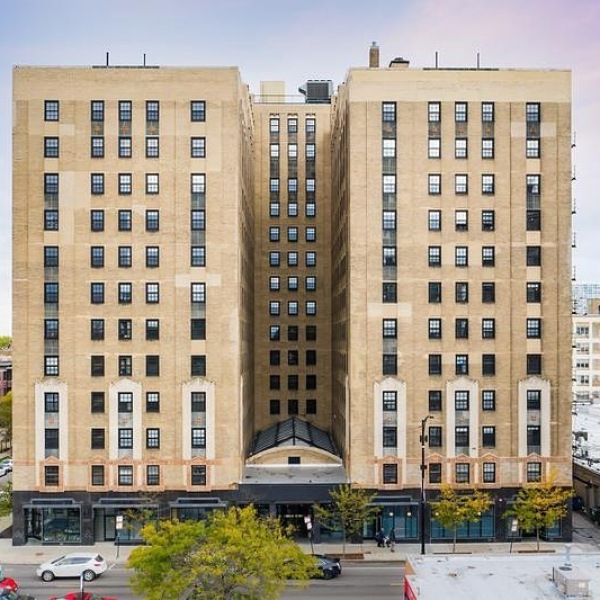
In Chicago, the potential for sustainable urban living is evident in its vibrant neighborhoods. Communities are embracing greener practices, and residents are seeking homes that align with these values. The Lawrence House Apartments offer a modern living experience that aligns with sustainable principles through its prime location near public transit and its high-end, durable amenities, designed to last and support a high quality of life. The property aims to create spaces where residents can connect with their community and enjoy a lifestyle that is both comfortable and responsible. Find more about Lawrence House Apartments Chicago and its role in Chicago's sustainable future.