

Why Rooftop Lounge Historic Charm Is Worth Seeking Out
Rooftop lounge historic charm is the rare combination of preserved architecture, panoramic city views, and modern comfort that makes certain elevated spaces feel genuinely unforgettable. These venues sit atop landmark buildings — think 1920s neo-gothic towers, civic landmarks, and century-old Art Nouveau structures — and layer in fire pits, craft cocktails, retractable roofs, and thoughtful design without erasing what made the building special in the first place.
Here is a quick look at what makes historic rooftop lounges stand out:
- Authentic architecture — original terra cotta, exposed brick, ornate masonry, and heritage facades that no new build can replicate
- Panoramic views — skylines, riverfronts, lakeshores, and parks framed by historic design details
- Modern comfort — heated igloos, retractable roofs, clear enclosures, and fire pits that keep spaces inviting year-round
- Curated menus — craft cocktails, botanical drinks, coastal cuisine, and globally inspired small plates that reflect both place and era
- Cultural identity — venues rooted in local history, from Detroit's Jewelers' Building to Atlanta's National Register landmarks to Chicago's Athletic Association
Chicago alone has rooftop bars featured on more than 31 must-visit lists, and venues like the Offshore Rooftop at Navy Pier hold Guinness World Records. Atlanta's SkyLounge has been ranked among the top rooftop lounges in the world. The appeal is not just about height — it is about meaning.
Whether a night out or a special occasion is on the agenda, historic rooftop lounges offer something a standard bar simply cannot: the feeling that the building itself has something to say.
What Defines Rooftop Lounge Historic Charm Today
Today, the best historic rooftops balance three things at once: authenticity, comfort, and atmosphere. The architecture does the storytelling, while modern upgrades make the space easy to enjoy in real life, not just admire in photos.
Rooftop Lounge Historic Charm Starts With Authentic Architecture
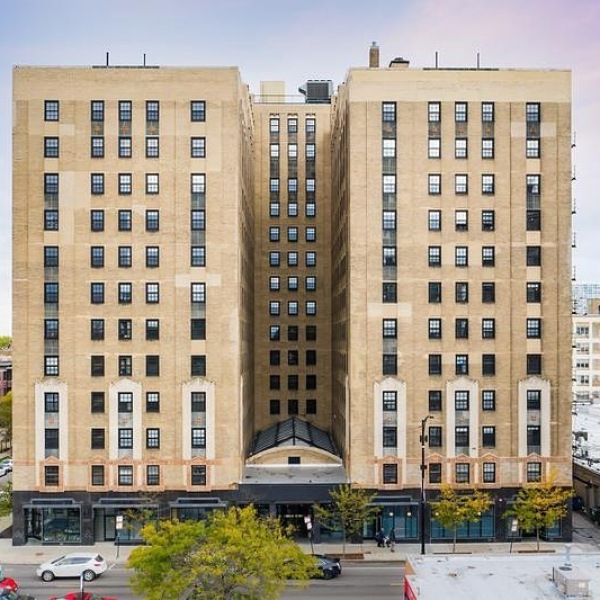
Historic rooftops stand out because the bones are real. Original brick, terra cotta trim, limestone detailing, hardwood, decorative masonry, and conservatory-style glass all create a sense of depth that newer spaces often try very hard to imitate.
In Chicago, this kind of character matters. A skyline looks different when it is framed by a building with visible age, texture, and craftsmanship. Historic rooftops feel layered rather than staged, whether the design leans Art Deco, neoclassical, or something more industrial and masonry-forward.

The Best Spaces Pair Historic Character With Modern Luxury
Charm alone is lovely, but comfort is what makes people linger. That is why the strongest rooftop concepts add features like:
- Fire pits for warmth and gathering
- Lounge seating that feels relaxed, not rigid
- Retractable roofs or covered sections for weather flexibility
- Clear enclosures that preserve views while blocking wind
- Climate control for shoulder seasons
- Lighting that flatters both the architecture and the skyline
- Cocktail programs and shareable plates that feel current
Chicago rooftops are especially good at this mix. Some of the city's most popular elevated spaces stay relevant because they adapt to seasons instead of disappearing when the temperature drops.
Preservation Works Best When Functionality Feels Invisible
The smartest rooftop restorations do not shout about the engineering. They simply work. Good adaptive reuse hides the hard parts in plain sight: drainage, safety rail integration, lighting, weather protection, acoustics, and smooth service flow.
A guest should notice the original facade before the ductwork. That is the goal.
| Preserved detail | Modern addition |
|---|---|
| Original brick or masonry | Discreet climate control |
| Historic facade lines | Retractable or enclosed roof systems |
| Decorative stone or terra cotta | Warm layered lighting |
| Vintage floor or wall textures | Comfortable lounge furniture |
| Heritage skyline framing | Safe, code-compliant rooftop layout |
7 Reasons Historic Rooftop Lounges Stand Out in Major Cities
Historic rooftops are memorable for more than one reason, but these seven explain most of the magic.

1) Historic Buildings Create a Sense of Place You Cannot Fake
A rooftop on a landmark building feels connected to its city in a way a generic tower rarely does. Whether the structure dates to the 1910s, 1920s, or earlier, the rooftop inherits that story.
That is part of why Chicago rooftops are so compelling. The city pairs dramatic views with architecture that already has a strong identity. Old clubs, towers, and restored buildings give the experience a real sense of place rather than a copy-and-paste nightlife formula. For more local inspiration, see this guide to a Rooftop Lounge in Chicago.
2) Views Feel More Memorable When Framed by Heritage Design
A skyline is impressive on its own. A skyline framed by old-world architecture is better.
Historic rooftops often use arches, masonry edges, conservatory glass, ornament, or even chandelier-lit interiors to create a stronger visual experience. The contrast is what works: old textures in the foreground, modern skyline in the distance.
Examples outside Chicago show how consistent this pattern is, from Atlanta rooftops in preserved 1920s buildings to European terraces with early-1900s facades and water views. See SkyLounge - About and Ravouna 1906 Suites Terrace Bar | Istanbul Bosphorus View for two clear examples of how heritage architecture shapes the view itself.
3) Year-Round Features Keep Rooftop Lounge Historic Charm Inviting
A great rooftop should not vanish the moment the weather gets dramatic. In Chicago, that would be an awfully short season.
That is why year-round design matters so much. Across top rooftop venues, the most useful features include:
- Heated igloos or winter pods
- Retractable roofs
- Covered terraces
- Clear wall systems that keep views open
- Fire pits that add warmth and atmosphere
- Flexible indoor-outdoor seating
Chicago examples prove the point. Some rooftops are known for retractable enclosures, while others use fire pits or climate-controlled spaces to stay active well beyond summer. Offshore at Navy Pier, for example, is widely recognized for all-season design and massive scale, with 36,000 square feet of space and seven fire pits.
4) Menus and Cocktails Blend Heritage Inspiration With Current Trends
Historic rooftops tend to avoid boring menus. Their food and drink programs usually mirror the same blend as the architecture: rooted in place, but not stuck in the past.
Common themes include:
- Craft cocktails with classic foundations
- Botanical drinks and garden-inspired menus
- Small plates designed for sharing
- Mediterranean, coastal, and globally influenced dishes
- Seasonal rotations that match the rooftop mood
In Chicago, menus often lean into skyline-night energy with polished cocktails and food that works equally well for date nights, celebrations, or a long catch-up session. The point is not to recreate the 1920s exactly. The point is to nod to history while serving something people actually want in 2026.
5) Events Turn Historic Rooftops Into Cultural Stages
Historic rooftops do more than serve drinks. They host moments.
Because they already carry architectural and cultural weight, they become natural settings for live music, milestone dinners, private gatherings, seasonal pop-ups, and neighborhood celebrations. Some venues use jazz or DJ programming. Others lean into cocktail classes, tea service, or themed experiences.
This is where local culture shows up most clearly. A rooftop can celebrate its district, architecture, and skyline while still feeling social and current. In other words, it can be elegant without becoming stiff. Nobody wants a beautiful rooftop with the personality of a waiting room.
6) Major Cities Offer Distinct Takes on the Historic-Modern Fusion
The historic rooftop formula is not one-size-fits-all. Different cities express it differently.
- Chicago: river, lake, and skyline views paired with landmark architecture and strong year-round design
- Detroit: restored 1920s towers and dramatic historic facades with modern cocktail culture
- New York: rooftop glamour, penthouse-style reinventions, and iconic park or skyline outlooks
- Atlanta: preserved early-20th-century architecture with covered rooftops and downtown panoramas
- Savannah: historic district ambiance, botanical styling, and intimate dining-forward rooftops
For a deeper local look, this Best Rooftop Lounges Chicago Guide is a helpful place to start.
7) Visitors Notice the Details When They Plan the Experience Well
The best rooftop experiences usually involve a little planning. Not military-level planning. Just enough to avoid disappointment and awkward shivering.
A few practical tips help a lot:
- Book ahead for popular nights
- Check the dress code before arriving
- Aim for sunset if views matter
- Confirm seasonal setups like enclosures or winter installations
- Look for private event closures on the calendar
- Bring ID if the venue requires age checks
- Arrive early if outdoor seating is first come, first served
These small choices make it easier to focus on the architecture, atmosphere, and view instead of logistics.
How to Choose and Enjoy a Historic Rooftop Like a Local
The best way to appreciate a historic rooftop is to pay attention to what newer spaces often miss: detail, context, and restraint.
Rooftop Lounge Historic Charm Is Best Appreciated Through Small Design Details
Look closely at the things that make the rooftop feel anchored to its building:
- Restored masonry and facade lines
- Original ornament or decorative trim
- Visible brick texture
- Woodwork or old structural detailing
- Lighting layers that warm the space at dusk
- Clean sightlines toward the skyline
- Smooth transitions between indoor and outdoor zones
- Menus that tell a story about place, season, or neighborhood
These details are where rooftop lounge historic charm becomes real. Not in a slogan, but in the way the whole space feels coherent.
Rooftop Lounge Historic Charm in Chicago Inspires Elevated Everyday Living
In Chicago, historic rooftop design is not only something to visit. It can also shape how home feels every day. That is part of the appeal of living in a restored building with strong architectural character and modern amenities in the same place.
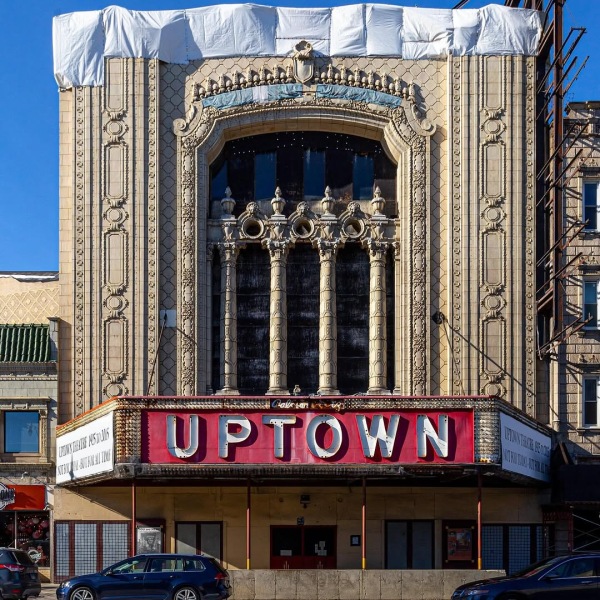
The Lawrence House Apartments by Flats® reflects that balance through restored historic features and contemporary comforts, including rooftop access that brings a little of that elevated city feeling into daily life. For readers exploring that style of living, these resources may help:
- Historic Apartments Uptown
- Chicago Apartments with Character
- Luxury Apartments Chicago
- Uptown Apartments Chicago Guide
- Explore amenities
Historic rooftops remind us that design does not have to choose between past and present. When done well, both show up at once: preserved details, modern comfort, and a skyline that never really gets old.